
Step01
Scope & Risk Review
Review product areas, user journeys, release changes, integrations and business-critical behaviour.

Clio helps teams test the parts of software that users and operations depend on before a release moves forward. Our QA and software testing services cover functional behaviour, APIs, browsers, devices, performance-sensitive areas and regression risk across web, mobile and enterprise systems. Testing can support a new product, a major update or an existing application that needs clearer evidence before the next release.
Testing planned around the functions and journeys that matter most to the release.
Human review for changing and exploratory areas, with automation for repeatable checks.
Coverage can span customer applications, internal systems, APIs and connected platforms.
Testing effort is directed toward high-impact workflows, integrations and change areas.
Issues are documented with context that helps development teams reproduce and review them.

Clio Infotech Limited is a publicly listed company delivering QA and software testing across web, mobile, API and enterprise systems. Testing methods are selected around the product, its release cadence and the risks that matter to the business.
Publicly listed corporate accountability.
Web, mobile, API and enterprise software coverage.
Testing methods selected according to product and release needs.
Access, APIs, data handling and release risks considered where relevant.
A defect found before release can be reviewed inside the delivery cycle. The same defect in production can interrupt a user journey, create support work or affect a business process. Clio helps teams identify those issues earlier and make release risk easier to understand.
Review new functionality and change areas before they reach production.
Follow the workflows customers and internal teams depend on most.
Use clear defect evidence and regression checks after fixes or updates.
Review response behaviour where speed and stability affect product use.
Check selected browsers, devices and environments instead of assuming identical behaviour.
Bring open defects, retest status and known limitations into the release discussion.
Testing has the most value when it contributes throughout delivery rather than appearing only at the end. Early QA input helps teams understand risk, define coverage and verify that changes behave correctly before release pressure increases.
Different products fail in different ways. Clio combines manual review, automation and focused test types according to the application, release scope and technical risk. As a software testing company, we keep the testing plan tied to real user paths and business-critical behaviour.
Hands-on review for changing functionality, user journeys and conditions that need human judgement.
Automated coverage for stable, repeatable scenarios that need frequent execution across releases.
Validate features, rules, states and complete workflows against the behaviour agreed for the release.
Review how the application responds when load, data volume or sustained use begins to affect behaviour.
Check endpoints, authentication, responses, data handling and connected business logic across internal or third-party services.
Review Android and iOS journeys across selected devices, networks and operating conditions.
Test browser-based systems for functionality, responsiveness, compatibility and regression risk.
Review security-sensitive application behaviour without overstating the scope as penetration testing.
Check whether key journeys are understandable, operable and free from obvious interaction barriers for users in scope.
Quality assurance testing services need to reflect the product architecture and the way people use it. Clio adapts coverage for customer applications, recurring SaaS releases, enterprise workflows and connected systems.
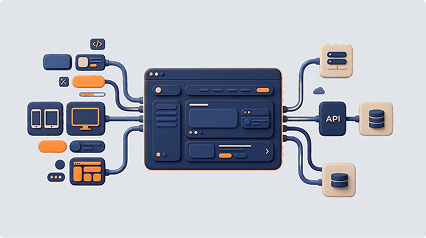
Test browser behaviour, forms, account areas, responsive layouts, workflows and connected services.

Validate Android and iOS functionality across selected devices, networks, navigation paths and app states.
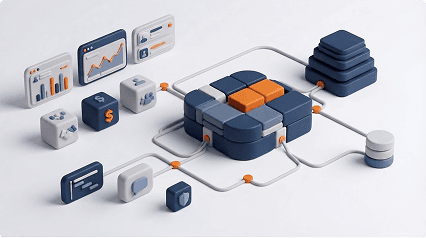
Support recurring release cycles with regression coverage, permission checks and integration testing.
Test multi-step workflows, user roles, system connections, data movement and business-critical processes.

Review search, product flows, checkout, payments, accounts, inventory interactions and order states.
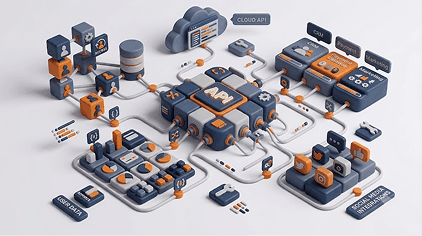
Test authentication, requests, responses, data exchange and connected-system behaviour.
Effective QA starts with understanding what changed, who depends on it and what could go wrong. The process then moves from coverage planning through execution, defect review, regression and release reporting.
Review product areas, user journeys, release changes, integrations and business-critical behaviour.
Define test scenarios, environments, data needs, priorities and acceptance points for the testing cycle.
Prepare required environments, test data, tooling and automation coverage before execution.
Run the agreed manual, functional, regression, API, browser, device, performance or automation checks.
Document issues with evidence and priority, then verify the corrected behaviour when fixes are available.
Recheck important existing functions and compare the remaining risks with release expectations.
Share testing status, defect trends, coverage observations and recommendations for later cycles.
Testing tools are selected according to the application, coverage required and delivery workflow. The stack below uses tools already listed in Clio's existing QA service scope rather than adding unverified capabilities.
Jira

TestRail
Quality engineering is not only a final round of defect detection. It connects risk, repeatable testing and release evidence so teams can make quality part of everyday delivery. Our Software Testing Solutions combine human review with automation where repetition and release frequency justify it.
Prioritize flows where a failure would have the greatest impact on users or operations.
Automate stable scenarios while keeping exploratory, usability and newly changing areas human-led.
Run suitable checks during delivery so feedback reaches developers before the release window.
Use defect status, execution results and regression evidence to clarify what is ready and what still needs attention.
Software Testing and QA Services can be structured around a single release, continued product delivery or additional QA capacity. The engagement model depends on how often the product changes and how much testing responsibility needs to sit with Clio.
Add a focused QA team that works alongside product and development stakeholders across an agreed scope.
Use a defined QA cycle for a specific application, release, migration or major change.
Bring in testing capacity when an internal team needs help with a release or short-term coverage gap.
Maintain recurring testing across frequent updates, regression cycles and ongoing product development.
Review the current QA process, coverage model, automation opportunities and release practices before changing the delivery setup.
Industry context changes the risk profile of software. Testing priorities can differ where systems handle sensitive records, transactions, field activity, high-volume customer journeys or operational workflows.

Testing may focus on user roles, records, workflows, integrations and dependable service journeys.

Coverage can prioritize transactions, permissions, integrations, calculations and security-sensitive behaviour.

Testing can follow search, checkout, payments, accounts, orders and customer-facing release changes.

QA can support frequent releases, permission models, APIs, regression coverage and browser compatibility.

Testing can review bookings, availability, user accounts, payments and service workflows.

QA can cover listings, forms, customer journeys, portals, records and workflow systems.

Testing may focus on internal applications, integrations, data flows, operational dashboards and user roles.

Coverage can include content access, accounts, platform compatibility, performance and recurring product updates.
The value of QA comes from how well testing reflects the product, its users and the release decision ahead. Clio keeps those factors visible from planning through reporting.

Testing follows complete user and operational paths rather than isolated screens alone.
High-impact functionality and change areas receive proportionate attention when time or scope is limited.
Testing methods are selected for the behaviour being reviewed, not used as a one-size-fits-all approach.
Issues include context, steps, observed results and priority information that helps teams act.
Testing can be organized around iterative development, frequent changes and planned release windows.
Support can scale from a focused review to continued QA participation as product needs grow.
Use approved QA case studies here to show the product context, release problem, testing scope and what the team learned before go-live. Any defect counts, coverage improvements or release-time reductions should be published only when they are verified.
Use approved QA case studies here to show the product context, release problem, testing scope and what the team learned before go-live. Any defect counts, coverage improvements or release-time reductions should be published only when they are verified.
Use approved QA case studies here to show the product context, release problem, testing scope and what the team learned before go-live. Any defect counts, coverage improvements or release-time reductions should be published only when they are verified.
These services help teams review how software behaves before and after changes are introduced. Coverage can include functional testing, manual review, automation, regression, APIs, browsers, devices, performance-sensitive areas, defect reporting and release readiness.
Clio can support testing for web applications, mobile applications, SaaS products, enterprise software, eCommerce platforms, APIs and connected business systems where the required environments and access are available.
Manual testing is useful where human judgement, exploration or newly changing behaviour matters. Automation is better suited to stable scenarios that need repeated execution across regression or recurring release cycles. A balanced QA approach can use both.
QA should begin when requirements, journeys and release risks can first be reviewed. Early involvement helps identify unclear behaviour, testing dependencies and coverage needs before the product reaches a late release stage.
Yes. QA Testing Services can be used for feature updates, regression cycles, browser or device issues, API behaviour and release reviews on an existing product. The first step is to define the change areas and current risks.
Testing can reduce production risk by reviewing critical behaviour and known change areas before release. It cannot guarantee that no issue will ever occur, but it can give teams better evidence about what has been tested and what risks remain.
Where automation and the delivery environment support it, repeatable tests can be aligned with CI/CD workflows so feedback is available earlier in the release process. The exact setup depends on the application and client tooling.
A useful defect report should make the issue reproducible. It can include the affected area, steps, expected behaviour, actual behaviour, screenshots or logs where relevant, severity and any release impact that has been identified.
Cost and schedule depend on application size, product complexity, platforms, browsers, devices, integrations, test coverage, automation needs, available environments, defect cycles and the release deadline.
Client feedback can highlight the experience of working with Clio across software delivery, communication, technical execution and post-release support.

Share the application, release scope and the areas that concern your team most. Clio can help define testing coverage across manual review, automation, APIs, browsers, devices and regression risk without adding unnecessary testing layers.