
Shopify

Clio Infotech provides eCommerce Development Services for platforms that connect the buying experience with the systems behind it. From storefront and checkout to payments, inventory, order flows and platform integrations, we build around how your business sells and operates. Work can cover a new store, a platform rebuild, mobile commerce or the modernization of an existing Shopify or Magento / Adobe Commerce environment.





Publicly listed company with established corporate accountability.
Platform capability for new stores, upgrades and connected commerce requirements.
Access, APIs, transactions and data handling are reviewed as part of the platform scope.
Commerce journeys can be planned with payments, orders and supporting systems in view.

A customer may see products, search, cart and checkout. Your team also has to manage catalogue changes, payments, orders, inventory, customer accounts and the systems that sit behind those journeys.
Clio approaches eCommerce Development as a connected business requirement. The storefront, administration, integrations and release conditions are planned together so the platform supports both the buyer experience and the work that happens after an order is placed.
Commerce problems usually appear where customer journeys and operational processes meet. We focus on the points that can slow buying, create manual work or make the platform harder to change as the business grows.
Review page behaviour, media, storefront logic and technical bottlenecks affecting speed across key customer paths.
Reduce unnecessary steps and review cart, checkout and payment behaviour around the intended purchase journey.
Plan data movement between the commerce platform and ERP, CRM, inventory, payment, shipping or other systems in scope.
Review architecture and platform decisions when product volume, users or transaction demand is increasing.
Connect relevant store activity with inventory and order processes so teams are not relying on separate manual records.
Improve navigation, search, filtering and merchandising journeys where customers struggle to reach relevant products.
Introduce data or AI-led capabilities only where they support a clear recommendation, search, service or operational use case.
Consider authentication, role controls, APIs, payment integrations and data handling throughout delivery.
Clio supports new commerce builds as well as existing platforms that need stronger functionality, integrations or technical structure. Our custom eCommerce development services can cover the customer experience, business logic and connected systems within one delivery scope. Our eCommerce Website Development services can be structured around a new storefront, a platform rebuild or a focused improvement to an existing commerce environment.
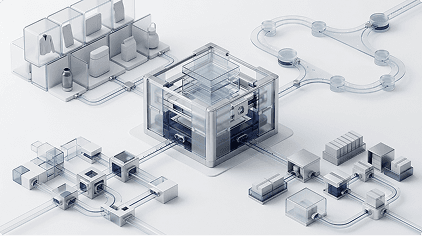
Build commerce functions around specific catalogue structures, customer journeys, business rules and operational requirements.
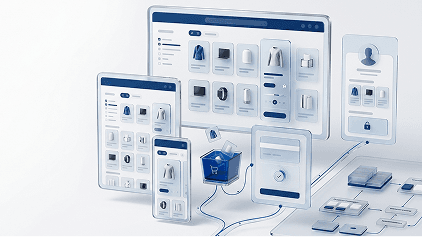
Create responsive storefronts with product discovery, cart, checkout, customer accounts and agreed store-management functions.
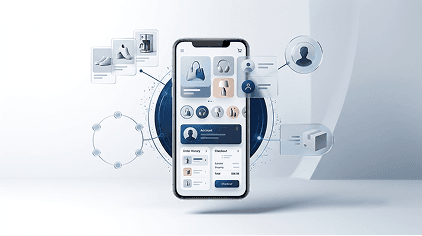
Develop mobile commerce experiences for recurring customer access, account activity, browsing and purchasing where a dedicated app is justified.

Plan navigation, product discovery, product pages and checkout interactions around how customers actually move through the store.

Connect payments, orders, inventory and selected business systems so the commerce platform does not operate in isolation.

Move or improve an existing store while accounting for catalogue, customer, order, integration and release dependencies.

Review storefront speed, checkout behaviour and technical factors affecting important shopping journeys.

Continue with issue resolution, platform updates, feature changes and planned technical improvements after release.

Share the selling model, current platform and the systems involved after a customer places an order. We can help define the commerce work that belongs in the same delivery scope.
Pricing, account access, catalogue rules and order workflows change depending on who is buying and how the transaction works. We plan the platform around the commercial model rather than applying the same store pattern to every business.

Account-based buying, business pricing, repeat orders, approvals and connected sales processes where required.
Customer storefronts focused on discovery, purchase, account activity and order visibility.
Multi-party commerce requirements involving listings, seller or participant roles, transactions and platform administration.
Direct brand-to-customer storefronts with greater control over customer journeys, catalogue presentation and first-party commerce data.
The right commerce setup depends on what the business needs to sell, manage and connect. We group functionality around the operating requirement instead of adding features simply because a platform supports them.

Custom online stores, multiple storefronts and commerce setups serving different brands, regions or customer groups.
Controlled catalogue access, account-specific journeys and portal functions for business or repeat customers.
Purchase journeys, custom checkout requirements and product configuration flows where standard paths are not enough.
Multi-currency and market-specific storefront requirements where the selling model spans more than one geography.
Product organisation, catalogue administration and inventory connections that support day-to-day store operations.
Commerce experiences that need consistent product and customer interactions across web, mobile or other approved sales touchpoints.
AI is useful when it improves a specific buying or operational decision. Clio can incorporate AI-led capabilities where the available data, customer journey and business process support a clear use case.
Surface relevant products using customer behaviour, preferences or purchase context where suitable data is available.
Improve product discovery when keyword-only search is not enough for the catalogue or customer query patterns.
Use conversational interfaces for product questions, comparisons and guided selection where they add real value.
Review interaction and purchase patterns to support merchandising, service or product decisions.
Use historical and operational data to support demand estimates and inventory planning.
Highlight fast-moving, slow-moving or low-stock items for teams responsible for catalogue and stock decisions.
Handle common product, order, delivery or return questions while routing exceptions to the right service path.
Use pattern-based analysis to flag unusual activity for further review where appropriate.
Analyse browsing and purchase behaviour to recommend relevant products, helping customers discover what they are more likely to need or buy.
A headless or API-led model can make sense when the customer experience needs to change independently from the commerce engine, or when several channels need to use the same commerce services. It is not the default answer for every store, so the architecture should follow the actual requirement.
Use defined interfaces between the storefront, commerce engine and connected business systems.
Combine selected technologies where one platform does not need to own every commerce function.
Plan hosting and application components around expected product, user and transaction demands.
Web or mobile commerce experience used by customers.
Controlled exchange between customer channels, commerce services and connected systems.
ERP, CRM, inventory, payments, shipping and other systems included in the integration scope.
Separate the customer-facing experience from the commerce backend when independent frontend control is important.
Support web, mobile or other approved sales channels through shared commerce services where appropriate.
Catalogue, cart, checkout, account and order functions provided by the selected platform or custom services.
An online store becomes harder to operate when orders, customer information or stock data have to be moved manually between systems. Clio plans the required connections around the source system, data flow and responsibility for each transaction or update.
Commerce platforms handle customer identities, transaction data and connections to external services. Security therefore needs to be considered in architecture, development, integration testing and release preparation rather than added after the store is complete.

Commerce delivery starts with how the business sells, not with a platform feature list. Each stage keeps customer journeys, store administration, integrations and release readiness connected as the work moves toward production.
Add eCommerce developers for a defined platform build, integration requirement, modernization program or ongoing product backlog. The engagement can be structured around the technology and delivery responsibility required.
Technology choices depend on the selected platform, storefront requirements, integrations and hosting environment. The stack below reflects technologies already included in Clio's existing eCommerce delivery scope.
Shopify
Magento / Adobe Commerce
The commerce pattern changes with the product, buying cycle and operational model. We keep industry coverage focused on areas where the store, customer journey and supporting systems can be clearly connected to a real commerce requirement.
Discuss Your Industry Requirements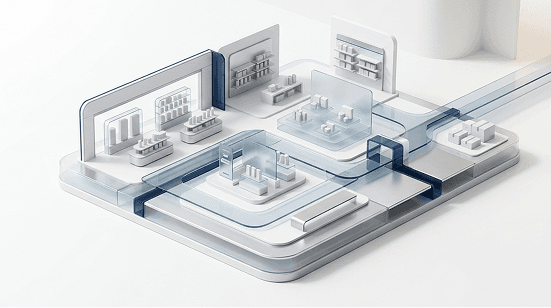
Product discovery, customer accounts, promotions, checkout and order journeys for direct online sales.

Account-based buying, repeat orders, business pricing, catalogue access and connected order workflows.
Commerce experiences that need product configuration, dealer or partner access, catalogue depth or ERP connections.

Digital purchasing, recurring billing or account journeys where services are sold and managed online.
Choosing an eCommerce Development Company means looking at more than storefront design. Clio connects commerce engineering with integration, security, testing and continued support so the online store can operate as part of the wider business environment.
If you are comparing an eCommerce Website Development company for a new store or a more involved commerce program, the first step should be to map the customer journey and the systems behind it before choosing the delivery approach.
Storefront, payments, orders and connected business systems can be planned within the same engagement.
Existing Shopify or Magento / Adobe Commerce environments can be improved without assuming a full rebuild is always required.
Access, APIs, transactions and data handling are considered alongside commerce functionality.
Important shopping, checkout, payment and integration journeys are reviewed before launch or major updates.
Architecture, engineering, integrations and release responsibilities remain visible throughout the project.
Maintenance, issue resolution and planned enhancements can continue after the first release.
Client feedback can highlight the experience of working with Clio across software delivery, communication, technical execution and post-release support.

Rachel Adams
Head of eCommerce, Northgate Retail
Clio rebuilt our storefront on Shopify without disrupting an active sales calendar. Checkout, payments and inventory sync were tested thoroughly before every release.

Marcus Bell
VP of Digital, Harborline Supply Co.
Our Magento environment needed modernization, not a full rebuild. Clio's engineers scoped the work precisely and kept order and catalogue data consistent throughout.

Emily Foster
Director of Operations, Fieldstone Goods
Connecting our storefront to ERP and fulfillment systems was the hard part, and Clio handled it cleanly. Order accuracy improved from day one.

Daniel Kim
CTO, Verdant Home Goods
Clio's testing coverage across payments, checkout and account flows gave us confidence ahead of a major sale period. Nothing broke during peak traffic.
An eCommerce development company can work across storefront development, catalogue and account functions, checkout, payment connections, integrations, testing, platform modernization and continued technical support. The exact scope depends on the selling model and systems involved.
Custom eCommerce development services become relevant when standard platform configuration does not cover the required catalogue logic, customer roles, checkout behaviour, integrations or operational workflows. The custom work should solve a defined requirement rather than add complexity for its own sake.
eCommerce Website Development services can include storefront planning, product and category pages, search and filtering, customer accounts, cart, checkout, payment integration, store administration, testing and connections with supporting business systems.
Review whether the company can understand the selling model, platform, customer journeys and post-purchase operations before development begins. Platform experience matters, but integration, testing, security and support capability are equally important for a connected commerce environment.
Yes. eCommerce App Development Services can be considered where customers need a dedicated mobile channel for recurring browsing, account access, purchasing or service interaction. The app scope should be planned with the commerce backend and existing customer systems.
Yes. The work can involve storefront changes, platform upgrades, architecture improvements, integration updates or a move to another commerce environment. Product, customer, order and integration dependencies should be reviewed before the migration approach is confirmed.
Yes, where the required systems provide suitable integration options. Connections can involve customer data, orders, stock, payments or other commerce information. The source system, data ownership and failure handling should be defined during architecture planning.
Cost and timing depend on the commerce platform, storefront complexity, catalogue structure, business models, integrations, checkout requirements, testing depth, migration work and the condition of any existing store. A reliable estimate needs those dependencies to be understood first.

A new store, a checkout problem, an integration gap or an existing platform that no longer fits the business. Share the requirement and Clio can help define what needs to change across the storefront and the systems behind it.